Engineering Capability

    Engineering Capability for Counter-Gravity Thin-Wall Heat-Resistant Castings

    Ktech Casting supports complex thin-wall, heat- and corrosion-resistant casting projects where filling, venting, feeding, material selection, machining, inspection, and quality documentation must be reviewed together.

    Engineering Problem

    Complex Castings Need More Than a Pouring Process

    Thin-wall and engine hot-end castings often fail at the points where geometry, material, temperature, and process control meet.

    • Can thin-wall sections fill completely?
    • Do internal passages need stable core and venting review?
    • Are hot spots, shrinkage, and distortion risks reviewed before tooling?
    • Are machining allowance and mounting faces protected?
    • Can inspection records support OEM / Tier 1 review?
    • Does the material match temperature, thermal cycling, and corrosion exposure?

    Engineering Risk Review

    How Ktech Reviews Casting Risks Before Production

    Complex exhaust and engine hot-end castings require more than mold making and pouring. Ktech reviews geometry, wall thickness, core structure, filling behavior, venting, feeding, material exposure, heat treatment, machining sequence, and inspection requirements before confirming the process route.

    Short Fill / Cold Shut

    Issue

    Thin walls, tight turns, long flow paths, and multi-runner areas may create short fill, cold shut, or incomplete edge formation.

    Engineering Review

    Ktech reviews wall thickness, runner direction, core structure, filling route, venting path, and mold condition before process planning.

    Control Objective

    The goal is to improve filling stability in complex thin-wall areas and reduce the risk of incomplete formation before tooling and production are confirmed.

    Porosity / Leakage Risk / Internal Variation

    Issue

    Complex internal passages can increase trapped gas, porosity, leakage-sensitive areas, and batch-to-batch internal variation.

    Engineering Review

    For suitable projects, Ktech reviews negative-pressure assisted low-pressure filling, venting, core design, inspection scope, and leakage-sensitive areas.

    Control Objective

    The goal is to reduce internal quality variation and define inspection requirements according to drawings, material, wall thickness, machining surfaces, and acceptance criteria.

    Shrinkage / Distortion / Cracking Risk

    Issue

    Flanges, collector zones, thick-to-thin transitions, and high-temperature areas may create hot spots, shrinkage, distortion, or cracking risks.

    Engineering Review

    Ktech reviews feeding paths, solidification behavior, heat treatment needs, machining sequence, flange stability, and service temperature before finalizing the process direction.

    Control Objective

    The goal is to match the casting process, material route, heat treatment, machining, and inspection plan with the actual service environment.

    Engineering Control Method

    How Ktech Casting Reviews Complex Casting Projects

    Engineering review connects product requirements with material, core design, filling behavior, machining, inspection, and documentation instead of only confirming a casting-process label.

    01

    Drawing, Sample, or 3D Review

    The review starts from drawings, 3D files, sample photos, OE references, or customer specifications, including wall thickness, internal passages, flange areas, machining faces, mounting points, critical dimensions, and inspection requirements.

    02

    Service Condition and Material Review

    Material selection is reviewed according to service temperature, thermal cycling, oxidation or corrosion exposure, vibration, machining requirements, and project volume.

    03

    Core and Internal-Passage Review

    For castings with complex internal passages, the engineering team reviews core structure, core assembly, venting path, wall-thickness transition, sand removal, and inspection access.

    04

    Filling, Venting, and Feeding Review

    Ktech Casting reviews filling direction, venting, feeding, hot spots, and solidification behavior before confirming the casting route.

    05

    Heat Treatment, Machining, and Inspection Planning

    Heat treatment, CNC machining, dimensional inspection, material verification, hardness testing, metallographic inspection, leakage-risk testing where required, and batch traceability are planned according to project requirements.

    06

    Documentation Review

    For OEM, Tier 1, and engineering projects, document expectations may include material reports, dimensional reports, inspection records, APQP / PPAP support, control plans, batch traceability, customer drawings, material standards, inspection requirements, and project document review.

    Process Logic

    Counter-Gravity / Low-Pressure Sand Casting Logic

    Counter-gravity / low-pressure sand casting is used as an engineering method for suitable complex castings, not as a generic process label.

    The process supports controlled upward filling, which can help reduce turbulence and air-entrapment risk in complex geometries when the part design, material, core structure, and inspection plan are suitable.

    The final process route is always confirmed by drawing, material, geometry, wall thickness, production volume, and inspection requirement.

    The video illustrates the basic upward filling direction. The final process route still depends on drawing, material, and inspection review.

    Project Fit

    Suitable / Need Review / Not Recommended

    Suitable

    Exhaust manifolds, turbo housings, engine hot-end components, complex thin-wall heat-resistant castings, corrosion-resistant industrial castings, internal-passage parts, pump and impeller castings, marine diesel and power-generation components.

    Need Engineering Review

    Very thin walls, complex cores, tight flange flatness, leakage-sensitive areas, high-temperature oxidation or corrosion exposure, special alloys, strict machining tolerances, APQP / PPAP requirements, or projects requiring detailed inspection records.

    Not Recommended

    Generic low-cost castings without engineering requirements, retail replacement parts, repair jobs, one-off loose parts without drawing or sample information, and projects that cannot provide basic working condition or quality requirements.

    Capability Boundary

    Every Capability Still Requires Project Confirmation

    Thin-Wall CastingThin-wall casting capability down to 2 mm has been achieved in qualified project conditions. Final feasibility is reviewed by geometry, alloy, core structure, wall transition, and inspection requirements.
    High-Temperature ApplicationsExhaust manifolds, turbo housings, engine hot-end parts, commercial vehicle components, heavy-duty diesel applications, marine diesel, power-generation, and engineering machinery projects can be reviewed.
    Corrosion / Oxidation ExposureHigh-temperature corrosion and oxidation resistance are reviewed by material system, service condition, wall thickness, heat treatment, and customer validation requirement.
    Complex Internal GeometryCore making, core assembly, venting, sand removal, inspection access, and internal-passage structure are reviewed before process confirmation.
    Sample DevelopmentDrawing review, sample development, reverse review, and pilot validation can be supported when project information is sufficient.
    Batch DeliveryCasting, heat treatment, CNC machining, inspection, packaging, and batch traceability can be organized according to project requirements.
    Quality DocumentationMaterial reports, dimensional reports, inspection records, APQP / PPAP support, and project-specific documents can be reviewed according to customer requirements.

    Manufacturing Chain

    Integrated Manufacturing Chain

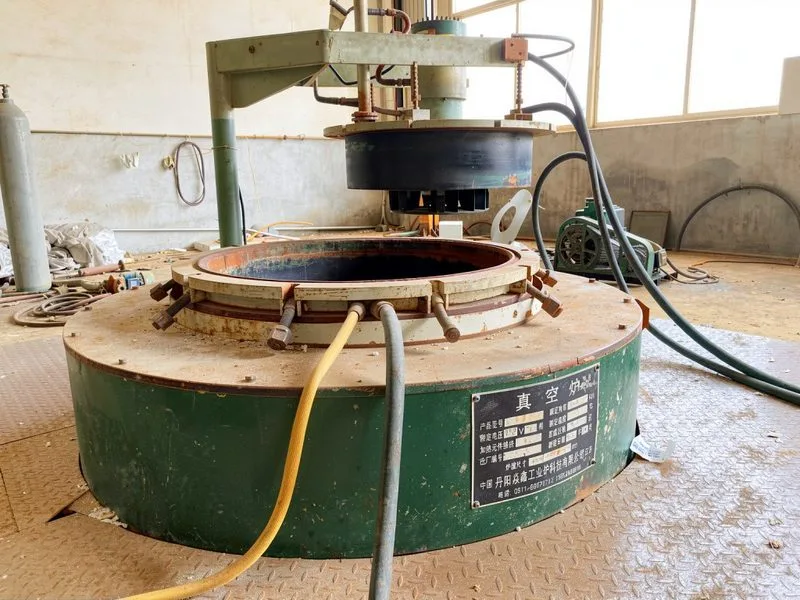
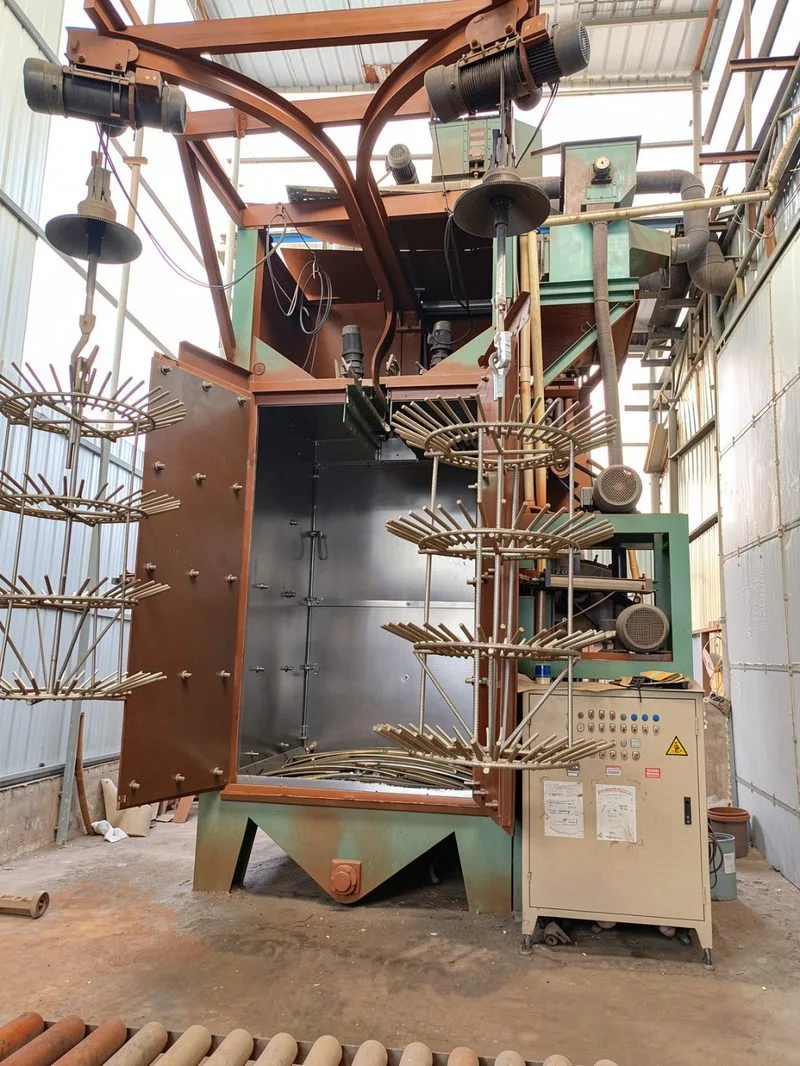
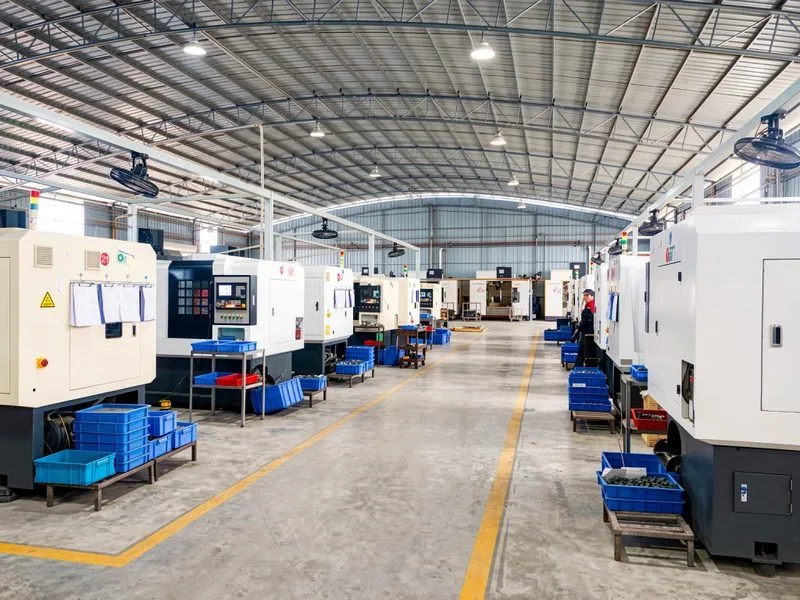
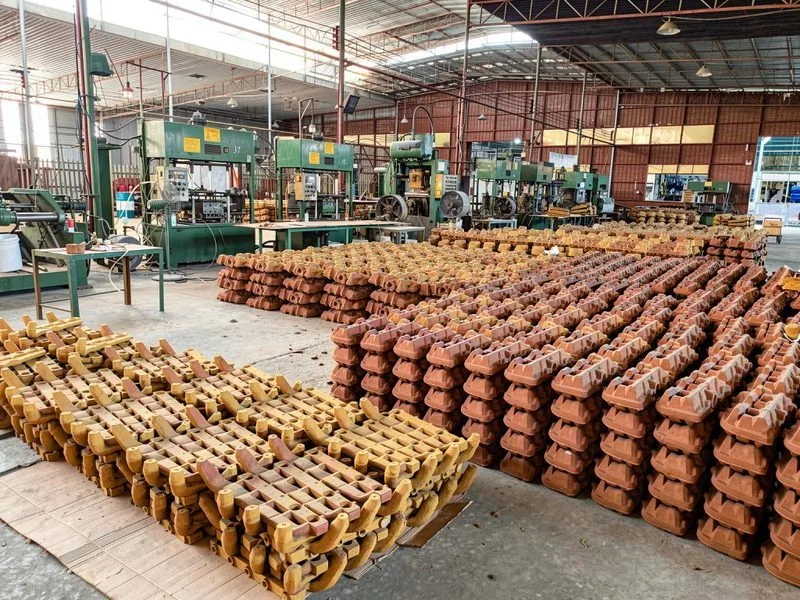
    Complex casting projects should not treat casting, machining, and inspection as disconnected steps. Ktech Casting controls core making, melting, casting, heat treatment, CNC machining, surface preparation, inspection, and batch release around the same project requirements.

    Core Making

    Core Making

    Core making supports complex internal passages, multi-runner geometry, and thin-wall structures that require stable internal shape control.

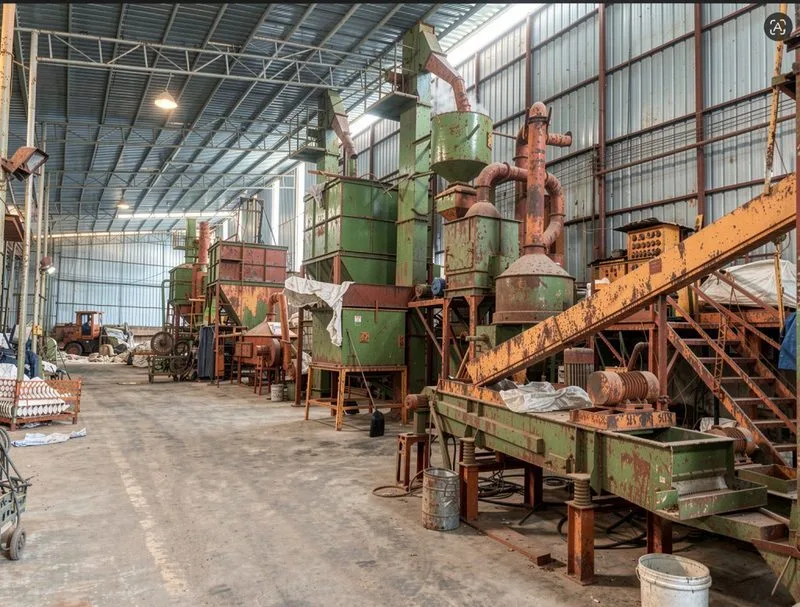
    Sand Preparation

    Sand Preparation

    Controlled sand preparation supports mold strength, casting surface quality, and repeatable process execution.

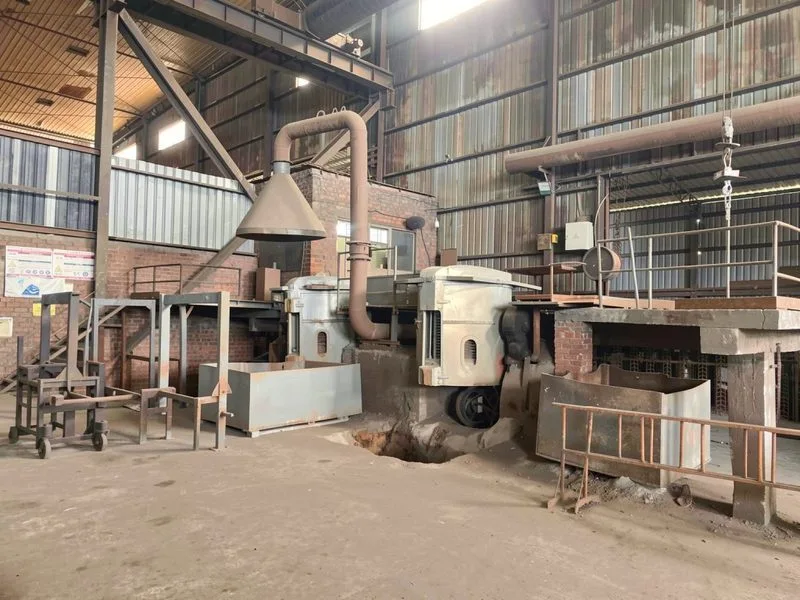
    Melting & Material Control

    Melting & Material Control

    Melt preparation and furnace-front control are reviewed according to project-specific alloy requirements.

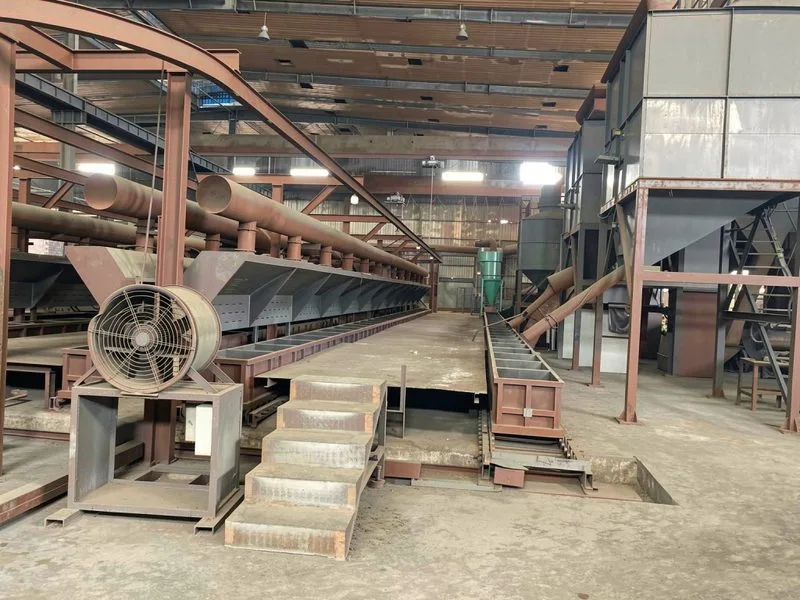
    Casting Line

    Casting Line

    Casting production is controlled around tooling, mold condition, filling route, process records, and batch release.

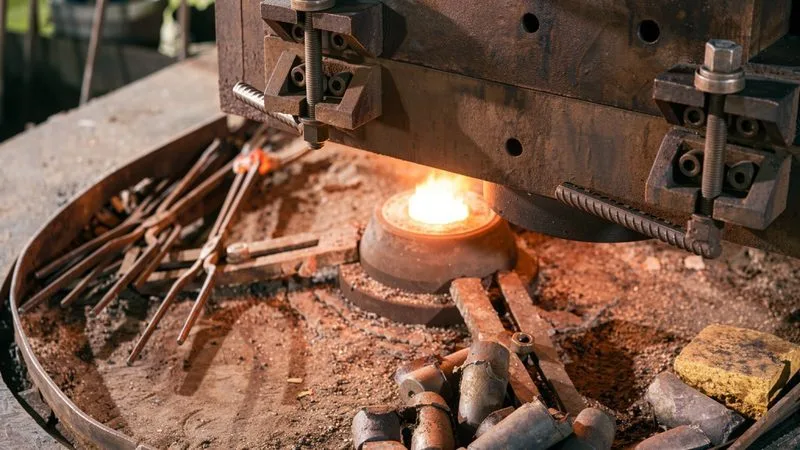
    Counter-Gravity / Low-Pressure Casting

    Counter-Gravity / Low-Pressure Casting

    Negative-pressure assisted low-pressure casting is used for suitable complex thin-wall parts where controlled filling and internal quality are important.

    Heat Treatment

    Heat Treatment

    Heat treatment supports stress relief, structure control, and property consistency when required by material and application.

    Surface Treatment & Cleaning

    Surface Treatment & Cleaning

    Surface preparation, blasting, cleaning, and finishing are arranged according to inspection and shipment requirements.

    CNC Machining

    CNC Machining

    In-house machining supports mounting faces, critical dimensions, flange surfaces, holes, and finished-part delivery.

    Inspection & Documentation

    Inspection, Validation, and Quality Documentation

    Engineering confidence must be supported by inspection and records. Final documentation scope depends on customer requirements, target application, inspection standard, and project stage.

    Chemical Composition Verification

    Chemistry verification can be arranged according to project material and drawing requirements.

    Hardness and Metallographic Inspection

    Hardness, metallography, and material structure checks can be supported by project requirements.

    Dimensional and CMM Inspection

    Critical dimensions, position, flatness, and drawing requirements can be documented by project.

    Leakage-Risk Testing

    For leakage-sensitive projects, testing scope is confirmed by drawing and acceptance criteria.

    Batch Traceability

    Batch records are built around material, process, inspection, and shipment requirements.

    APQP / PPAP Support

    OEM, Tier 1, and engineering projects can be supported according to customer documentation requirements.

    Engineering Evidence

    Technical Credentials & Project Evidence

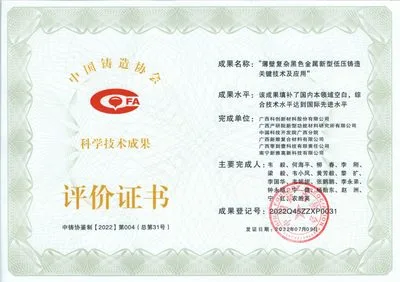
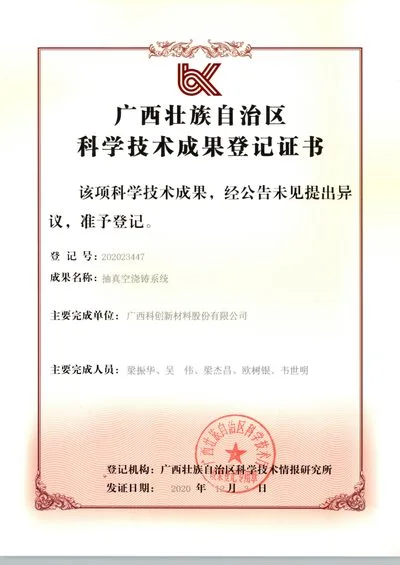
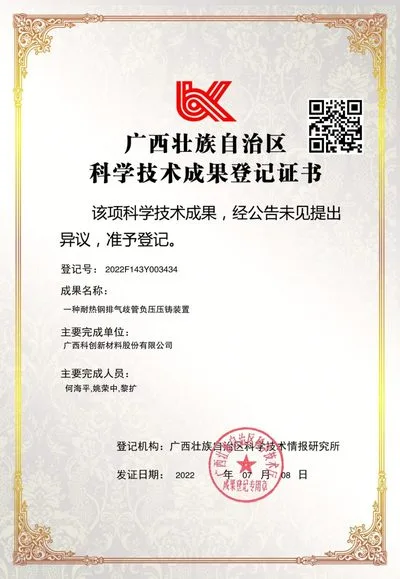
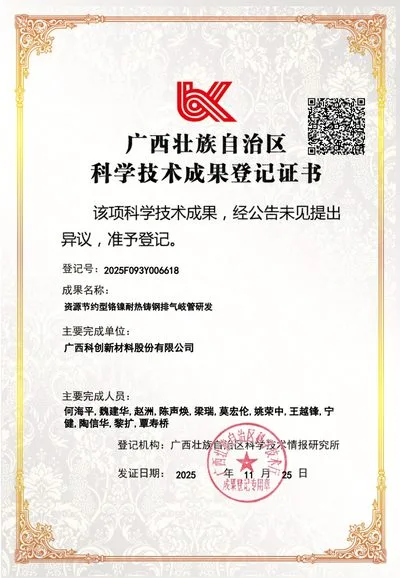
    These public materials help buyers understand KTECH’s technical background in counter-gravity casting, heat-resistant materials, and complex hot-end castings. More detailed validation records can be shared by project scope under NDA.

    Project References

    01

    Heavy-duty diesel exhaust manifold casting project

    02

    Engine hot-end casting for high-temperature service

    03

    Heat-resistant cast iron project with CNC machined flange

    04

    Exhaust-system RFQ review for aftermarket program

    Quality Systems & Public Credentials

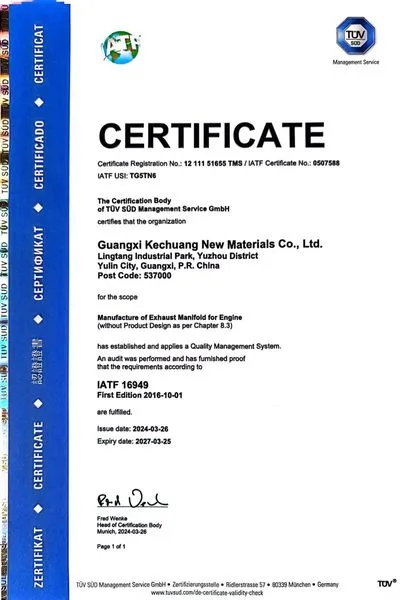
    IATF 16949

    IATF 16949

    Automotive quality management system certification supporting OEM supply chain requirements.

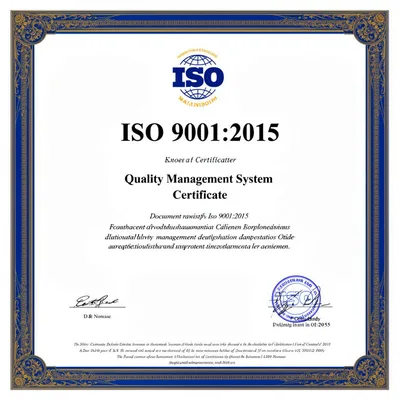
    ISO 9001:2015

    ISO 9001:2015

    Quality management system certification supporting stable project execution, process control, and customer delivery.

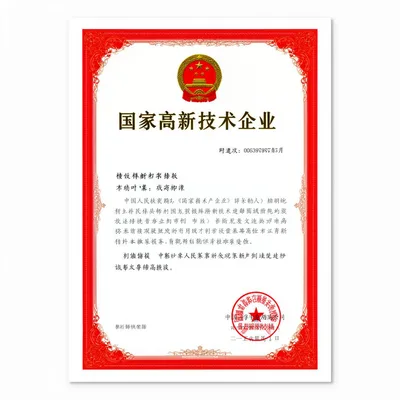
    National High-Tech Enterprise

    National High-Tech Enterprise

    Shows sustained R&D investment, engineering team development, and technology-driven manufacturing capability.

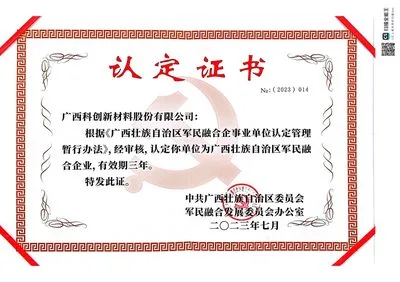
    Military-Civilian Integration Credential

    Military-Civilian Integration Credential

    Reflects a credential base for high-reliability manufacturing and standardized management.

    Co-Development & Project Cooperation

    Ktech Casting supports project cooperation around material selection, process review, sample validation, quality documentation, and production launch with different engineering teams.

    Engine & Commercial Vehicle Customers

    Projects around exhaust systems, engine hot-end parts, and complex structural castings.

    Universities & Technical Institutes

    Technical cooperation around materials, casting processes, and inspection validation.

    Cross-Regional Engineering Cooperation

    Technology exchange, sample validation, and supply-chain introduction support.

    Customer Engineering Teams

    Joint review around drawings, quality standards, service conditions, and production requirements.

    Public Technical Evidence

    These public materials help engineering buyers assess KTECH’s technical base in counter-gravity casting, heat-resistant materials, and complex hot-end casting projects; detailed validation records can be reviewed by project scope under NDA.

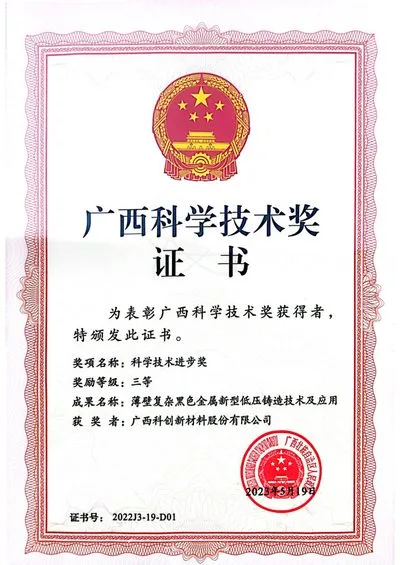
    Technical Innovation Award

    Technical Innovation Award

    Public recognition of KTECH’s work in heat-resistant materials, complex castings, and engineering applications.

    Technical Achievement Evaluation

    Technical Achievement Evaluation

    Third-party or authority-reviewed materials related to process, material, and project achievements.

    Counter-Gravity Casting Process Evidence

    Counter-Gravity Casting Process Evidence

    Project evidence related to controlled filling, complex casting process systems, and low-defect manufacturing capability.

    Hot-End Casting Project Evidence

    Hot-End Casting Project Evidence

    Project materials related to exhaust manifolds, turbo housings, and engine hot-end component applications.

    Heat-Resistant Material & Resource-Saving Project

    Heat-Resistant Material & Resource-Saving Project

    Technical materials related to heat-resistant material optimization, resource-saving processes, and severe-temperature applications.

    Engineering FAQ

    What is counter-gravity / low-pressure sand casting?+
    Counter-gravity / low-pressure sand casting uses controlled upward filling for suitable casting geometries. For complex thin-wall and internal-passage parts, this can help improve filling stability and reduce turbulence or air-entrapment risk when the design, material, core structure, and inspection plan are suitable.
    What types of casting projects are suitable for Ktech Casting’s engineering review?+
    Ktech Casting is suitable for exhaust manifolds, turbo housings, engine hot-end components, complex thin-wall heat-resistant castings, corrosion-resistant industrial castings, pump and impeller parts, marine diesel components, power-generation components, and engineering machinery applications.
    Can Ktech Casting make 2 mm thin-wall castings?+
    Yes. Thin-wall casting capability down to 2 mm has been achieved in qualified project conditions. Final feasibility still depends on part geometry, alloy, wall transition, core structure, flow path, machining requirement, inspection standard, and project volume.
    How does Ktech Casting review porosity, leakage, and internal quality risks?+
    Ktech Casting reviews filling direction, venting, core structure, feeding, hot spots, material behavior, machining surfaces, and inspection requirements. Leakage-risk testing can be arranged when required by the project, but the testing scope must be confirmed by drawing and acceptance criteria.
    How does Ktech Casting review shrinkage, distortion, and cracking risk?+
    Shrinkage, distortion, and cracking risk are reviewed around thick-to-thin transitions, flange areas, collector zones, hot spots, heat treatment, machining sequence, and service condition. The goal is to choose a suitable material and process route before tooling or production confirmation.
    What materials can Ktech Casting review for high-temperature applications?+
    Material directions may include GJS-SiMo, D5S high-nickel ductile iron for exhaust manifolds, CGI, heat-resistant cast steel, stainless steel, and project-specified alloy systems. Final material selection depends on service temperature, thermal cycling, oxidation or corrosion exposure, machining requirement, inspection standard, and project volume.
    Does Ktech Casting support CNC machining and heat treatment?+
    Yes. Ktech Casting can support casting, heat treatment, CNC machining, surface preparation, cleaning, inspection, and batch release within the project delivery path. The final scope depends on drawing requirements and customer specifications.
    What quality documents can be provided?+
    Depending on project requirements, Ktech Casting can support material reports, dimensional reports, inspection records, hardness testing, metallographic inspection, CMM inspection for critical dimensions where required, batch traceability, APQP / PPAP support, and NDA-based technical document review.
    What information should be prepared for engineering review?+
    Useful RFQ information includes drawings, 3D files, sample photos, material requirements, working conditions, service temperature, annual volume, machining requirements, inspection standards, target application, and required quality documents.
    What evidence can an engineering or quality team review before supplier approval?+
    Depending on the project, Ktech can support quality-system certificates, material reports, dimensional / CMM records, hardness and metallographic inspection, leakage-risk testing, batch traceability, APQP / PPAP documentation, and public technical evidence. Detailed validation records, project files, and customer drawings are handled within the project and NDA scope.

    Send Your Project for Engineering Review

    Share drawings, 3D files, sample photos, material requirements, service conditions, annual volume, machining requirements, and inspection standards. Ktech Casting will review the project based on geometry, material, casting route, machining needs, inspection requirements, and documentation scope.

    Contact Engineering Team

    We use necessary cookies. Analytics and marketing scripts load only with consent. Cookie Policy