
Application-driven review
Application, working medium, load, temperature, corrosion, wear, and assembly conditions are reviewed before material and process direction are confirmed.
Severe-Service Castings · Pump & Impeller · Heat & Corrosion Resistance
KTECH reviews custom casting projects where heat, corrosion, thin-wall structure, complex internal passages, machining stability, or defect control are major project risks. Typical review scope can include pump bodies, double-suction or other impeller castings, stainless-steel components, hydraulic-retarder parts, and severe-service industrial structures.
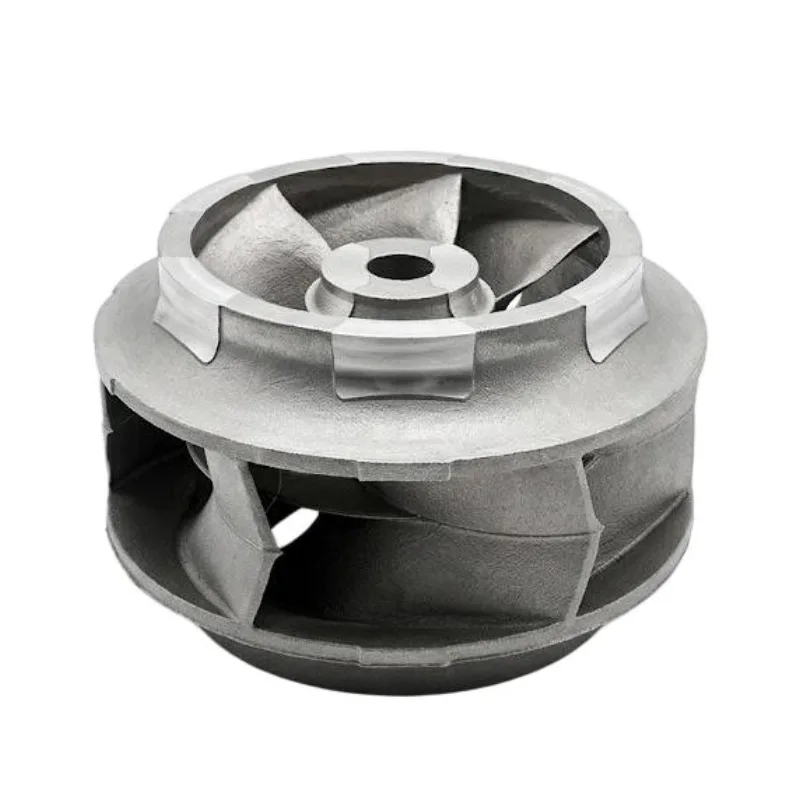
Project Review Focus
Application, working medium, load, temperature, corrosion, wear, and assembly conditions are reviewed before material and process direction are confirmed.
Stainless steel, heat-resistant cast steel, ductile iron, CGI and other specified materials can be reviewed together with casting process, mold, core, machining, and inspection planning.
Thin-wall filling, complex internal geometry, dimensional stability, leakage risk, surface defects, traceability, and inspection records are considered for batch production.
Suitable Project Types
For pump bodies, double-suction impellers, water-pump or industrial impeller parts where corrosion resistance, thin-wall geometry, balanced structure and machining requirements matter.
For parts exposed to heat, thermal cycling, oxidation, load, exhaust-related or other severe working conditions.
For projects where corrosion, fluid contact, complex internal passages, defect sensitivity or machining-critical features affect material and process choice.
RFQ Information
Complete information helps confirm the casting route, material direction, tooling and machining scope, inspection requirements, and quotation boundary.
Submit Project DetailsQuality and Delivery Review
KTECH reviews casting method, material, thin-wall filling, core design, feeding, machining, and inspection according to product risk. Low-pressure or counter-gravity casting can be evaluated where geometry and material make it suitable.
Material direction is confirmed by target performance, temperature, corrosion, wear, load, machinability, inspection and cost requirements.
Dimensional inspection, material report, hardness, leakage test, surface review, traceability, and project-specific documentation can be discussed by project.
Related Engineering Resources